Last week, the price of an ounce of gold closed just shy of $1,300/oz, notching a gain of over 20% in 2016.
Gold has performed better than stocks, bonds and all the other major asset classes. Gold’s impressive rise has been propelled by three key trends:
“Flight to safety” with turbulence hitting the stock market this year
A weak U.S. dollar making gold more attractive to buyers seeking protection from currency risk
Growing public awareness of gold and silver as a critical diversification asset for retirement
Looking forward, what could be next for gold?
To understand where gold is going next, you need to know about deflation.
Gold: The New Classic Deflation Hedge
Deflation is real and signs of a recession abound. As I reported last week, U.S. corporate profits are under pressure and the economy is limping along at a snail’s pace. Companies are cutting their spending by the largest amount since the Great Recession and face growing labor costs. Businesses cannot pass on rising wage pressures to consumers through price hikes.
To combat deflationary pressures, some central banks have actually pushed interest rates into negative territory. Negative interest rates undermine the traditional banking system as investors abandon financial assets for a real asset like gold. In addition, negative interest rates have created distortions in the currency markets, making gold an attractive alternative if currency wars erupt.
Factor in a rising tide of protectionist sentiment in the U.S., and a possible $1,300/oz price of gold should come as no surprise to anyone.
Because central banks must fight deflation, gold investors are now in a win-win situation: either higher inflation is on the horizon or the currency markets will face more conflict. Put simply, gold is poised to do well no matter what happens in the markets.
Gold prices have also been supported by robust demand for gold from big commodity importers China and India, steady net inflows into gold-focused exchange-traded funds and strong central bank demand for the precious metal.
Silver Also Performing Well in 2016
Silver is also up over 24% this year. Historically, silver trades at a 1 to 60 ratio to gold. Recently, that ratio has been at 1 to 80, making silver an undervalued asset.
The demand for silver has grown as the economy in China has stabilized and industrial and jewelry applications for silver have remained steady.
Timeless Lessons
In 1982, Rep. Ron Paul and Lewis Lehman produced a landmark U.S. Congressional minority report called The Case for Gold. The seminal work covered gold’s history and detailed how the U.S. government caused the abandonment of its use.
Paul and Lehrman argued that a gold standard is “an avenue, among others, to restore our trust in government, by appropriately limiting the discretionary power of government.”
Do you think that central banks can fight either deflation or inflation without further unsettling the financial markets and causing your financial assets to perform poorly? Do you trust the U.S. government to balance its budget, create full employment and avoid another crisis like the Great Recession?
Or should you rely on your own common sense to protect some of your hard-earned money from ongoing uncertainty?
It’s Not Too Late
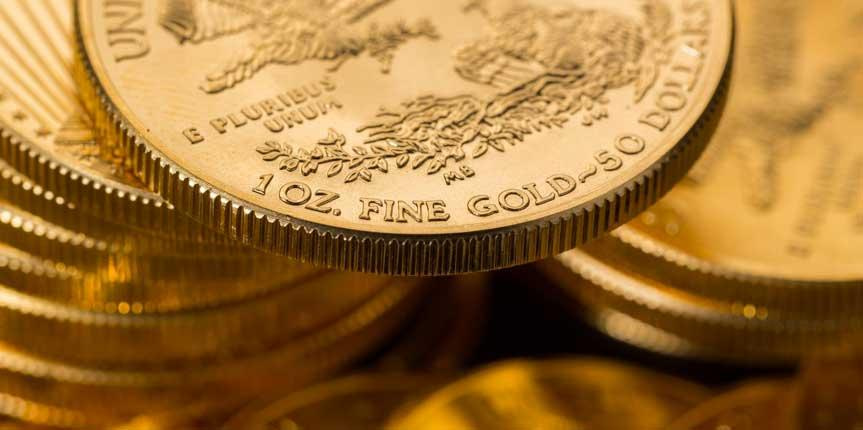
It is not too late to gain a little peace of mind in these trying times by owning gold or silver coins. The bull market for gold and silver still has legs and the long-term trends I have outlined in this report will continue to pressure your financial assets.